(TMU) – In the strange “new normal” of the coronavirus era, protective face coverings have become a new staple of our daily wardrobe, as essential as underwear and crucial in helping to slow the spread of the COVID-19 pandemic – especially as economies increasingly reopen.
Because of the heightened demand for masks, online marketplaces and retailers are offering myriad options including cotton and neoprene masks, disposable or reusable options, and masks with valves and filters.
And while it has been months since public health bodies issued guidance urging U.S. residents to always wear a cloth face covering in public, it’s become clear that not all masks are created equal – in fact, some masks are useless or worse when it comes to preventing person-to-person transmission of COVID-19.
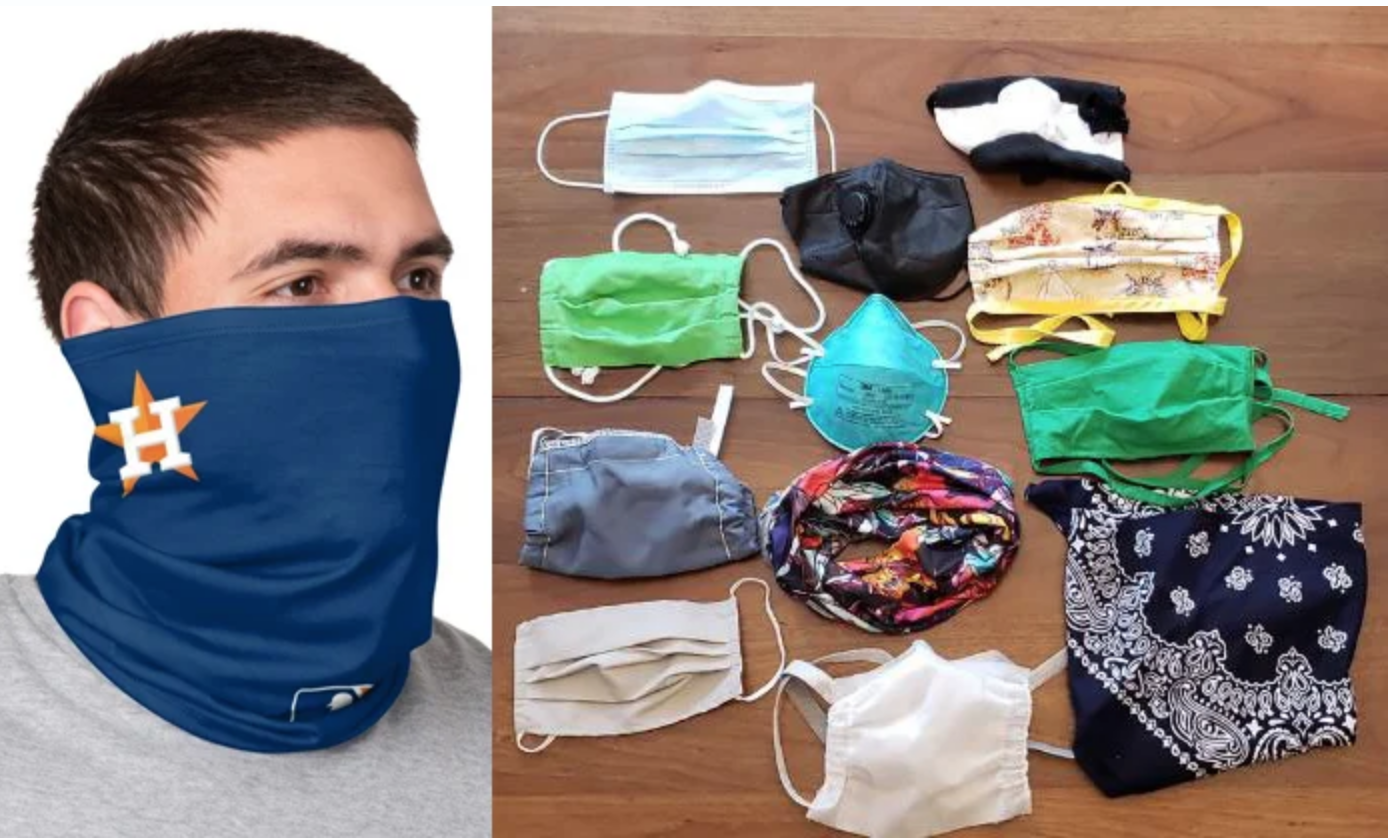
According to a new study from scientists at Duke University’s School of Medicine comparing 14 types of masks, facial coverings like gaiters, bandanas and knitted masks are among the worst face coverings for preventing the spread of the virus.
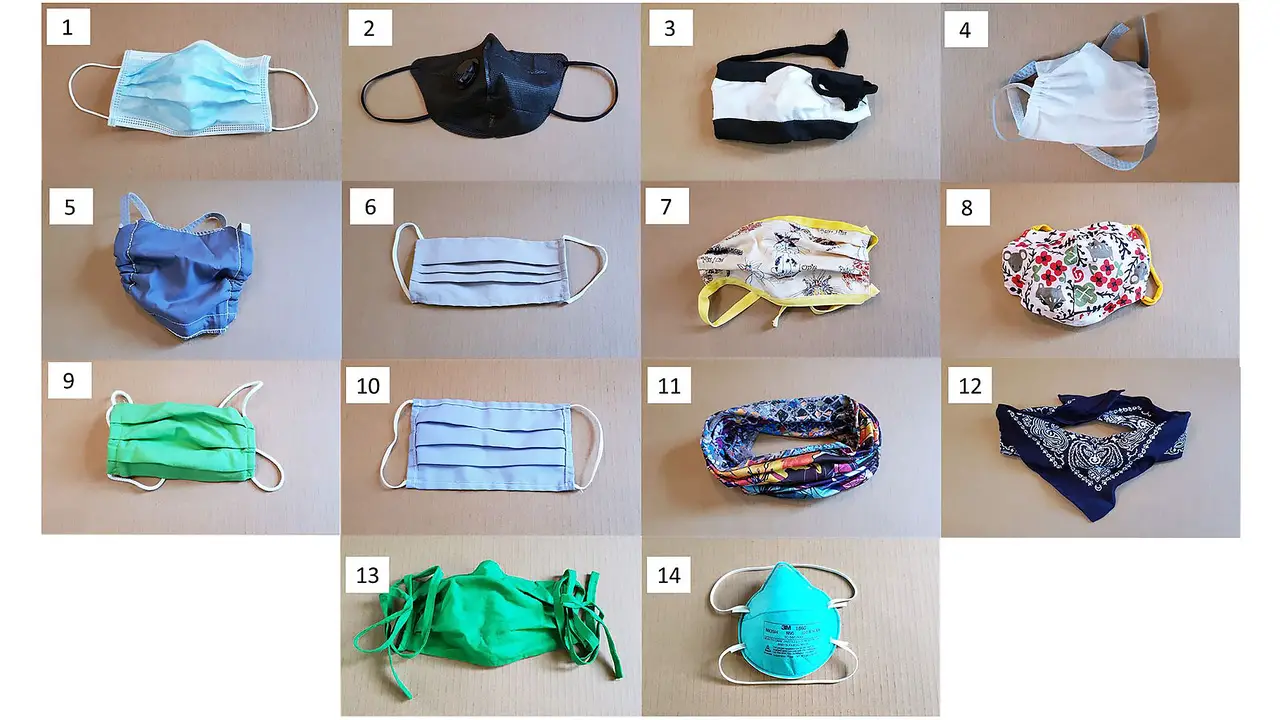
Meanwhile, the gold standard for preventing the transmission of respiratory droplets during normal speech remains fitted N95 respirator masks used by health care professionals.
Other good options to help reduce the risk of saliva-related transmission are three-layer surgical masks and cotton masks, either of the homemade sort or those sold by retailers, the Duke physics department found.
For the study, researchers used a simple setup utilizing a laser beam and a cell phone camera that gauged the efficiency of masks by analyzing the spread of respiratory droplets during regular speech. A computer algorithm then counts the droplets in the video recording.
“We use a black box, a laser, and a camera,” study co-author Martin Fischer told CNN. “The laser beam is expanded vertically to form a thin sheet of light, which we shine through slits on the left and right of the box.”
[youtube https://www.youtube.com/watch?v=LeEBn4ttZZY?feature=oembed&w=500&h=281]
While bandanas might look neat and allow you to flex your gangsta cosplay skills, they are nearly useless in terms of offering protection – and the same goes for that nice knitted mask your grandma made for you.
In the case of neck fleeces or gaiter scarves, which are usually worn by runners and bikers – as well as your favorite Major League Baseball players – not only are these totally ineffective but they actually boost the spread of respiratory droplets, making gaiters worse than going without a mask entirely.
This was because the material in fleeces or gaiter masks break larger droplets down into smaller ones. Rather than the droplets falling to the ground, as they would without a mask, the smaller particles of spittle float through the air easier.
“We were extremely surprised to find that the number of particles measured with the fleece actually exceeded the number of particles measured without wearing any mask,” Fischer noted.
“We want to emphasize that we really encourage people to wear masks, but we want them to wear masks that actually work.”
While some have recommended gauging the efficacy of masks through methods such as the “candle test” or the “lighter test,” the simple setup used by Duke is a low-cost, effective testing method.
However, the researchers are not recommending that people unfamiliar with lasers set these tests up at home due to the danger of permanent eye damage. Instead, they hope that companies, museums, and community centers can use the test to show people which masks work best.
“This is a very powerful visual tool to raise awareness that very simple masks, like these homemade cotton masks, do really well to stop the majority of these respiratory droplets,” Fischer said.
